Author: Christina Boland

A Practical Guide to EHS Staff Augmentation in the Private Sector

Imagine that a major permit deadline is approaching, your EHS manager just resigned, the plant has no one left who can read a Title V permit, and internal staff is stretched thin. Meanwhile, a new permanent headcount is difficult or impossible to approve right away.

EHS teams in regulated industries encounter situations like these more often than they would like to admit.

Private-sector EHS teams often need someone who can become part of the team for months or even years at a time. The goal is not just to “get help” for a single deliverable but to extend practical EHS capacity without adding permanent headcount.

Unfortunately, the traditional options each carry a tradeoff. A new hire can take months to find, screen, approve, and onboard, time you may not have when a deadline is looming. A consultant can deliver a piece of work, but the consultant owns the deliverable and then leaves. They do not become part of your team, nor do they usually transfer knowledge effectively.

Staff augmentation is a strategically advantageous alternative in situations like this. It is not consulting, outsourcing, or direct hire. Instead, it is a qualified placement who works alongside your team, takes direction from your management, and follows your internal processes, while the staffing partner handles the administrative side of employment.

At Aarcher Talent, we believe staff augmentation should be a collaborative effort between the staffing firm and the client. Therefore, our clients are actively involved in the hiring process, from reviewing qualified candidates and interviewing them to selecting the person who best matches the team, the facility, and the role. Such an approach results in a placement that feels less like a temporary contractor and more like a member of the team from day one.

Let’s take a deeper dive into EHS staff augmentation for the private sector.

At its core, staff augmentation is simple. A vetted EHS professional joins your team, works under your management, follows your internal processes, and gets paid through the staffing firm.

You keep full control of the work while the staffing firm handles the employment relationship behind the scenes, including payroll, benefits, workers’ compensation, and professional liability coverage.

The model is often confused with other forms of external support, but there are several differences that set it apart:

Consultants own a deliverable, not a seat on your team. A consultant is hired to produce a specific output, such as a permit application, an audit report, or a compliance plan. Once the output is delivered, the engagement ends.
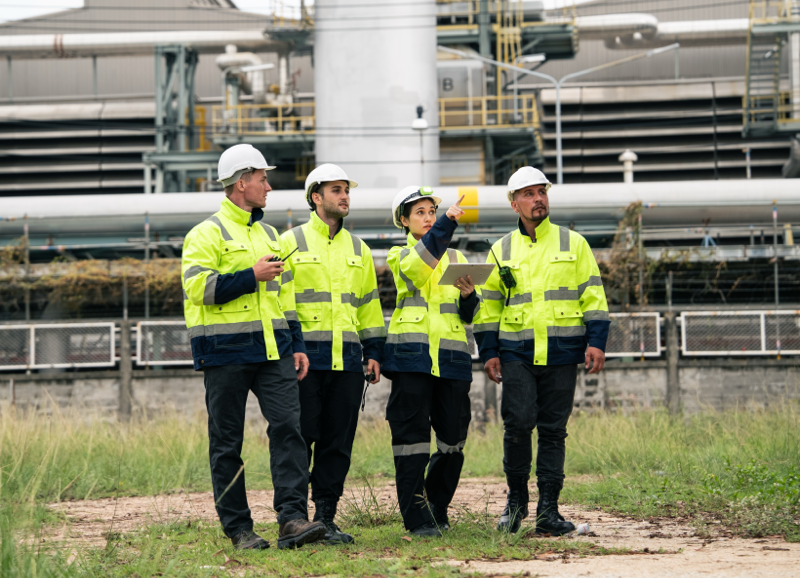
Outsourcers take over a whole function. When you outsource your EHS work, an external provider becomes responsible for both the function and the management of it, typically off-site and at arm’s length from your team.

Direct hires are permanent and tied to headcount approval, which is exactly the kind of approval most CFOs are reluctant to grant in the middle of a fiscal year or during a tight budget cycle.

The advantage that staff augmentation offers is that the placement integrates into the department in a way that consultants and outsourcers cannot. They learn your systems, attend your meetings, and build relationships with your team.

Over time, your team is not just satisfied with the placement; they actively want to keep it. Such continuity is rare in temporary engagements, and it is one of the reasons private-sector EHS teams return to this model again and again.

It is tempting to treat EHS staffing as just another category of professional placement. Post a job description, push it through a staffing platform, and let the algorithms surface a list of resumes that match the keywords.

For some roles, this approach works well enough. However, for EHS roles in regulated industries, it almost never does. Here’s why:

  • Hiring Complexity: EHS staffing cannot rely on keyword matching alone, because EHS roles involve a combination of regulatory, operational, and industry-specific risk. Two job postings with very similar titles can involve very different responsibilities depending on the facility, the regulatory environment, and the technical scope of the work.
  • Regulatory Stakes: A poor placement is not just a productivity problem. It can mean compliance gaps, OSHA exposure, permit issues, reporting delays, or broader operational risk. The cost of getting the wrong person in the seat can be measured in fines, enforcement actions, or shutdowns, not simply in lost productivity.
  • Credentials Must Map to the Actual Work: EHS is a credential-heavy field, but credentials alone do not guarantee fit. Each credential, be it CIH, CSP, CHMM, 40-hour HAZWOPER, or P.E., signals something different about a candidate’s training and capability. Only some of those credentials will be relevant to your specific job, and a generic staffing platform is poorly equipped to tell the difference.
  • Industry Context Drives Fit: Food manufacturing EHS differs significantly from, for example, chemical or construction EHS. The regulatory frameworks, the typical exposures, and the day-to-day priorities of the role can all shift depending on the industry. The same qualifications and experience can translate into very different real-world skills across settings, and that distinction is rarely captured on a resume.

The pressure of a single permit deadline is one of the most visible moments where EHS teams need outside help. However, the same dynamic shows up across a wide range of regulatory and operational situations. The specifics may change, but the underlying problem does not: specialized work, limited time, and not enough hands inside the building.

Below are common scenarios in which staff augmentation can be extremely valuable to EHS teams:

Air Permitting and Clean Air Act Compliance: Title V renewals, NSR/PSD reviews, and MACT standards are technically demanding and time-bound. When you need someone who can actually read the permit and respond to the agency on a tight timeline, generalist support will not get you there.
Wastewater Discharge and Pretreatment: NPDES permits, industrial pretreatment programs, and stormwater compliance each carry their own technical and reporting requirements, and they often come up at the same time across multiple facilities.

Hazardous Waste and RCRA: Generator status changes, contingency plans, manifesting, and LDR compliance are common pressure points, especially during operational shifts or facility expansions.

TRI and EPCRA Reporting: The annual July 1 reporting deadline creates a predictable surge in demand for short-term help. Many EHS teams know the deadline is coming and still find themselves short-handed when the date arrives.

Compliance Audits and Corrective Action: Pre-audit preparation, post-audit remediation, and third-party audit response are all areas where an extra set of qualified hands can make the difference between a clean finding and a costly one.

Sustainability and ESG Reporting: Greenhouse gas inventories, CDP submissions, and ISSB-aligned reporting are a newer pressure point that most EHS teams are not yet staffed to handle. The reporting expectations have grown faster than most internal teams have been able to scale.

Staffing Gaps and Capacity Surges: Plant startups, M&A integration, parental and medical leave, and sudden departures all create temporary capacity gaps that internal teams cannot absorb without help. These are often the moments when a staffing partner proves its value most clearly.

Most companies bring in staff augmentation to plug an immediate gap, but the model often delivers benefits well beyond the original need. The most useful way to think about staff augmentation is not as a short-term workaround. It is a flexible extension of your EHS function, one that offers practical advantages your in-house team may not be able to replicate on its own:

  • Liability Transfer: Workers’ compensation, payroll taxes, and professional liability all sit with the staffing firm rather than with your company. For CFOs weighing risk and cost, that alone often justifies the engagement.
  • An Independent Perspective: An external EHS professional can raise issues that your internal team may already suspect but find difficult to surface internally. That outside vantage point is part of what you are paying for, and it often brings risks to the surface before they become incidents.
  • Cross-Industry Pattern Recognition: A placement professional who has worked across various industries brings practical pattern recognition that an in-house team rarely has the time or exposure to develop on its own. They can quickly spot familiar issues because they have seen them in other settings.
  • Multi-Site Coverage: A single staffing partner can place qualified professionals across multiple plants or facilities at the same time. This can be particularly valuable for companies managing compliance across geographically dispersed operations. Working with one partner across sites also keeps quality and approach consistent from location to location.
  • Continuity of Coverage: A specialist staffing partner maintains a bench of qualified professionals. If a placement leaves or needs to step away, a replacement can step in within days rather than weeks, keeping your compliance work on schedule and your team supported.

One of the most important aspects of how Aarcher Talent approaches staff augmentation is that you are not simply assigned a person. You participate in choosing them. The placement is intended to fit the team, not just fill a slot, and the process is designed to give you the visibility and control you need to make that decision well.

The engagement typically follows this sequence:

You define the role, including the facility context, the duration of the engagement, the location, and the experience and credentials required.

The staffing partner screens candidates for EHS-specific fit, drawing from a bench of vetted professionals.

You review the qualified candidates surfaced by the staffing partner.

You interview the candidates you want to consider further.

You select the candidate who best fits your team and your needs.

The selected placement joins your team and is integrated into your processes.

You manage day-to-day priorities, just as you would with any direct member of the team.

The staffing partner continues to handle employment administration in the background, so your team can focus on the work.

At the end of the engagement, you can extend the placement, convert them to a permanent role if that becomes possible, or roll them off based on your business needs.

This step-by-step structure is what makes EHS staff augmentation feel different from other forms of contract or temporary support. The client stays in the driver’s seat throughout, and the placement becomes a real member of the team rather than an outside resource on the periphery.

When the stakes are this high, the choice of staffing partner matters as much as the choice of candidate. A generic staffing partner sends you resumes that match keywords. The right partner sends you someone who can actually read the permit on day one. The difference comes down to how the firm approaches the work.

Generic staffing platforms, including the AI-driven ones that have become more common in recent years, match resumes to keywords. The result is fast, but the fit is rarely right for regulated EHS work. The platform has no way to distinguish between candidates whose credentials look similar on paper but whose practical capabilities are very different.

A specialist firm, by contrast, matches candidates against a defined competency standard built specifically for EHS roles. The goal is not filling a placement quickly. The goal is placing someone the client trusts, relies on, and wants to keep.

A specialist firm takes a broader set of factors into consideration than a platform ever could. These include

  • Regulatory understanding
  • Facility type
  • Industry background
  • Technical qualifications
  • Communication skills
  • Team fit
  • Ability to work effectively under client direction
  • Practical experience with the specific work required

Each of these factors plays a role in whether a placement succeeds and none of them can be reduced to a keyword search.

Aarcher Talent provides long-term, EHS-specific staff augmentation with qualified placements who can genuinely become part of the client’s team. Our team vets candidates against a defined competency framework built specifically for EHS roles, drawn from more than two decades of training and developing EHS professionals.

We are not looking for a candidate who simply looks qualified on paper; we are looking for someone who has the working knowledge to perform the role from day one.

Such a placement can support both immediate gaps and longer-term staffing needs. Whether the need is short-term coverage during a transition, surge support for a regulatory deadline, or specialized expertise for an extended engagement, Aarcher Talent’s staff augmentation model gives companies the flexibility to add capacity quickly while preserving full team control.

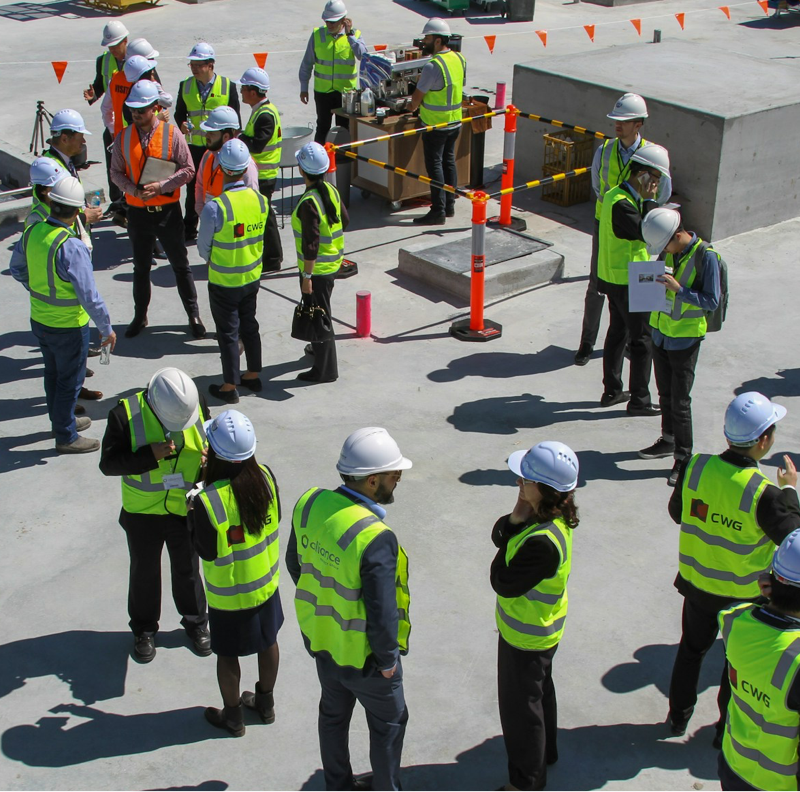
Skillsets, Experience & Training: How Much Should You Invest in EHS Continuing Education?

In a profession where the cost of being unprepared can mean regulatory fines, lost talent, or serious safety incidents, the stakes couldn’t be higher. Yet with limited budgets, shifting regulations, and mounting operational pressures, deciding how, and how much, to invest in EHS training isn’t always straightforward.

Regulations are shifting faster than most teams can track. EPA’s 2025 Unified Agenda shows active movement on PFAS, GHG reporting, RMP requirements, and air permitting policies—changes that directly affect permits, monitoring, reporting, and enforcement risk. In this climate, continuing education isn’t optional; it’s how EHS leaders stay accurate and defensible.

Let’s look into how you can make smarter, more strategic training investments, whether you’re building a team, strengthening compliance, or developing your future EHS leaders.

Ongoing EHS training is not merely a requirement but rather a strategic investment. It plays a critical role in regulatory compliance, workforce engagement, and organizational performance. Here’s why it matters more than ever:

Rulemaking activity is accelerating. EPA is advancing actions that touch PFAS (RCRA/TSCA and drinking water), GHG programs (reporting and standards), RMP reconsideration, and air permitting/NSR policy—each with shifting timelines and implementation dates. 

For employers, that means annual refreshers and targeted upskilling whenever a rule moves from proposal to final. Training keeps procedures, permits, and reports aligned with current requirements so inspections don’t turn into enforcement.

Federal and state EHS regulations are constantly evolving. New guidance from EPA, OSHA, and DOT can impact everything from reporting timelines to waste classifications. Without regular EHS training, even experienced professionals risk falling behind.

A 2023 study found that organizations in the process industry that implemented targeted EHS interventions, including training, saw significant improvements in incident reduction and regulatory compliance outcomes. Likewise, the Campbell Institute reported that companies with robust safety training programs experienced an average 24% reduction in injury rates compared to those without structured training.

These findings reinforce a key truth: training isn’t just gaining knowledge; it’s a core part of risk mitigation.

Professionals are far more likely to stay with employers who invest in their growth. This is particularly true in high-responsibility fields like EHS, where employees want to stay current and advance in their careers.

When organizations offer structured EHS training paths, especially with certification or leadership tracks, they foster a culture of development and increase retention. The result is a more experienced, loyal workforce and lower turnover costs.

Today’s top EHS candidates are selective. Working at a competitive company is no longer enough. They want to join organizations that actively support professional growth.This preference is backed by research. Research on training effectiveness found that active, hands-on EHS training methods, such as simulations, group work, and problem-solving, lead to better knowledge retention and performance outcomes than passive lecture-based formats. Employers that offer engaging, high-quality training experiences stand out in the job market.

Investing in the right mix of EHS training is essential for both compliance and long-term professional development. The most effective training strategies blend required coursework, advanced certifications, and supplemental learning opportunities tailored to specific roles and industries.

For many organizations, regulatory compliance is the starting point and a non-negotiable. Federal and state laws mandate specific training for employees based on their exposure to hazardous materials, waste management, and environmental operations.

Common required EHS training courses include:

  • HAZWOPER (Hazardous Waste Operations and Emergency Response)
  • RCRA (Resource Conservation and Recovery Act)
  • Clean Air Act (CAA) and Clean Water Act (CWA)
  • SPCC (Spill Prevention, Control, and Countermeasure)
  • DOT Hazmat transportation
  • OSHA 10/30-Hour General Industry and Construction

These foundational courses are critical for ensuring regulatory compliance, reducing legal risk, and maintaining safe workplaces.

As EHS professionals move into mid- and senior-level roles, they’re often expected to pursue formal credentials. These demonstrate expertise, increase earning potential, and expand career opportunities across industries.

High-value credentials include:

  • Certified Safety Professional (CSP)
  • Certified Hazardous Materials Manager (CHMM)
  • Certified Industrial Hygienist (CIH)
  • Certified Environmental and Safety Compliance Officer (CESCO)

Preparing for these exams requires a deeper level of EHS training, which often includes specialized instruction, test preparation, and case-based learning. EHS professionals benefit most from structured training programs led by instructors with real-world experience and a firm grasp of certification frameworks.

Beyond compliance and certification, high-performing EHS professionals engage in continuous education to stay ahead of industry trends and organizational needs. This includes:

Environmental auditing:

  • ISO 14001 and ISO 45001 management systems
  • EHS leadership and communication
  • Sustainability reporting and climate risk
  • Risk assessment and emergency planning

These supplemental training topics not only broaden technical knowledge but also strengthen soft skills, which are critical for managing teams, communicating with executives, and influencing culture.

There’s no universal answer to how much EHS training is enough, but there are proven benchmarks based on career stage, regulatory exposure, and organizational goals. The right level of training depends on where the professional is in their career and what responsibilities they manage.

Employers should treat EHS training as an ongoing investment, not a one-time onboarding expense. Here’s how to evaluate appropriate training depth and frequency by role:

For professionals just entering the EHS field, whether in compliance, safety, or environmental roles, the priority is to build foundational knowledge through required regulatory training.

Recommended training includes:

  • HAZWOPER
  • RCRA and DOT Hazmat
  • OSHA 10/30-Hour (depending on work environment)
  • SPCC, stormwater management, and basic hazardous waste handling

Training frequency:

  • Most of these require annual refreshers.
  • Additional onboarding-specific training may be layered in during the first 6–12 months.

Investing early in high-quality EHS training creates stronger, safer employees and reduces early-stage mistakes that can lead to compliance risks.

Professionals at the mid-point of their EHS careers often move into more complex, cross-functional roles. At this stage, dual-discipline expertise, such as both safety and environmental compliance, is highly valued.

Recommended training includes:

  • Prep for certifications like CSP, CHMM, or CIH
  • Specialized training in industrial hygiene, risk assessment, and emergency response
  • Auditing techniques, inspection prep, and data management tools

Training frequency:

  • Prep for certifications like CSP, CHMM, or CIH
  • Specialized training in industrial hygiene, risk assessment, and emergency response
  • Auditing techniques, inspection prep, and data management tools

Professionals at this level benefit most from structured EHS training paths that support advancement while maintaining regulatory knowledge.

Senior EHS professionals and program leaders are expected to move beyond technical compliance and into strategic leadership. Their training should support organizational risk management, performance metrics, and management systems integration.

Recommended training includes:

  • ISO 14001 and ISO 45001 implementation and auditing
  • Advanced environmental management systems (EMS)
  • Leadership development, sustainability strategy, and corporate EHS performance reporting
  • Business continuity, crisis management, and root cause analysis

Training frequency:

  • Senior professionals should attend quarterly updates or annual summits to stay aligned with regulatory shifts and emerging best practices.

This level of training often supports enterprise-wide goals, such as ESG reporting, public disclosures, or supply chain risk reduction.

Plan on annual regulatory refreshers for all EHS roles, plus issue-specific micro-training within 30–60 days of major rule changes. For multi-site operations, designate site champions who receive deeper training and cascade updates locally.

While training is sometimes seen as a cost center, the return on investment (ROI) from well-planned EHS training can be substantial and measurable.

Avoiding a single regulatory fine, injury claim, or environmental incident can pay for months (or years) of training. For example, EPA penalties for hazardous waste mismanagement can exceed $50,000 per day, far more than the cost of annual training.

Rapid rule shifts increase the likelihood of “paper” violations during inspections. Proactive training aligned to current rules is often the lowest-cost control for avoiding NOVs, consent orders, and reputational harm.

EHS professionals who receive meaningful training are more likely to feel competent and supported. This, in turn, can lead to higher job satisfaction and lower turnover.

Replacing an experienced EHS professional can cost tens of thousands in recruiting, onboarding, and lost productivity. Offering career development through EHS training helps retain talent and strengthens internal succession planning.

When it comes to hiring and retaining top environmental, health, and safety professionals, training plays a bigger role than many employers realize. Drawing on years of experience placing EHS professionals nationwide, Christina Boland, Senior Recruiter at Aarcher Talent, shares key insights into what employers really look for when it comes to training and credentials.

Christina has placed EHS professionals across a wide range of industries and organizational sizes. Her approach focuses on the often-overlooked connection between EHS training, talent strategy, and workforce performance.

According to Christina, one of the most common mistakes employers make is limiting training to leadership roles. “Companies that only invest in senior leadership typically don’t see the same kind of growth as those who support development at every level,” she says. “The ones that succeed are the ones that offer training opportunities to entry-level staff, mid-career professionals, and emerging leaders alike.”

This approach, she explains, leads to stronger alignment between individual growth and organizational goals. When training is offered broadly, employees feel supported and empowered, which drives productivity, engagement, and long-term performance.

Christina frequently works with clients who prioritize certified candidates, particularly when regulatory or contractual requirements demand it. “If a client has a government contract that requires a Certified Industrial Hygienist, for example, that’s non-negotiable. The candidate has to have that credential.”

However, she’s also seen many employers take a more flexible, development-focused approach. “In other roles, say, a safety manager in a construction firm, some companies are willing to hire someone with strong experience and support them as they work toward certifications like the CSP or ASP,” she says. “It really depends on the role, but both approaches are valid depending on the situation.”

In either case, companies that offer on-the-job certification support not only widen their talent pool but also position themselves as employers of choice for ambitious candidates.

With resumes often filled with multiple credentials, Christina cautions that employers shouldn’t rely on surface-level qualifications alone. “We always verify that certifications are valid, current, and relevant to the position,” she explains. “Sometimes candidates list five or six certifications, but they’re missing the one that actually matters for the job they’re applying for.”

Beyond credentials, she emphasizes the importance of confirming practical, hands-on experience. “A certification without real-world application doesn’t tell the full story,” she says. “Our screening process always includes confirming that candidates can actually do the work, not just talk about it.”

Today’s EHS professionals are not just looking for a paycheck; they want to grow. According to Christina, a company’s approach to training can have a direct impact on its reputation and ability to attract top-tier candidates.

“Employees want to be part of organizations that support them,” she says. “When people know they’ll have access to development opportunities, it creates a sense of value and loyalty. That leads to better retention, and frankly, it makes recruiting easier too.”

Even if companies don’t formally brand themselves around training, those that consistently invest in their teams tend to stand out. “You don’t have to build your identity around training like Aarcher Institute does,” she adds, “but you should absolutely treat it as a core benefit. Candidates pay attention to that.”

When asked what advice she would give to employers weighing training investments, Christina doesn’t hesitate. “Of all the benefits you can offer beyond salary and healthcare, training is one of the most valuable. It helps employees grow into leadership roles, gives them confidence, and helps them do their jobs better.”

She also points out the long-term value of training as a career development tool. “Maybe it’s an EHS specialist who wants to become a manager, or a manager who wants to grow into a director. When you invest in those people and give them the tools to move forward, it benefits everyone, from the employee to the company to the culture.”

For employers seeking to reduce compliance risk, retain talent, and stay competitive in today’s labor market, EHS training should be viewed as a strategic investment rather than just an operational expense. Building a thoughtful, well-aligned training strategy begins with collaboration, insight, and a commitment to long-term development.

Build a rolling training calendar tied to EPA’s regulatory agenda (proposed → final) so budget and scheduling are in place before new requirements hit the field.

One of the most effective ways to optimize your training budget is by engaging the very professionals who will benefit from it. Your EHS staff understands the daily realities of your facilities, the regulatory requirements that apply, and where skill gaps may exist.

By including EHS professionals in training discussions and planning, employers can ensure investments are aligned with both compliance needs and team development goals. This leads to more relevant course selections and also builds internal buy-in and accountability.

Employers who understand the value of credentials like CSP, CHMM, and CIH are already ahead of the curve. But that’s just the beginning. Supplemental training in areas like auditing, leadership, and sustainability often signals a higher-performing candidate with long-term potential.

These forms of continuing education not only demonstrate initiative but also prepare professionals to step into more strategic roles. In recruiting, certifications and ongoing learning can be powerful indicators of a candidate’s readiness, adaptability, and growth mindset.

Investing in continuing education isn’t just good for compliance; it’s good for culture. Organizations that actively support learning and career growth see lower turnover, stronger employee engagement, and better overall performance.

In a hiring market where skilled EHS professionals have options, companies that promote a culture of development stand out. Training becomes a talent magnet, and the result is a more stable, capable, and confident team.

Aarcher Institute is uniquely positioned to support professionals and employers across all categories of EHS learning:

  • Proprietary, expert-developed content: All training materials are developed in-house by senior-level consultants who actively work in regulated facilities—not by generalist trainers.
  • ISO 14001-certified: Aarcher Institute is the only environmental training organization in the U.S. to achieve this distinction—proof of a systems-based, quality-driven approach to course delivery.
  • Live instruction, online and in-person: Courses are led by instructors with 20+ years of field experience and include interactive formats with real facility visuals, compliance images, and practical exercises.
  • Customizable training options: Organizations can request private, tailored training—online or onsite—that blends regulatory topics with internal procedures and state-specific requirements.

Whether your team needs required compliance courses or advanced training for certification, Aarcher Institute delivers EHS training that’s relevant, up to date, and immediately applicable.

Investing in EHS training is no longer optional but essential. Beyond ensuring compliance, high-quality training empowers employees, strengthens your talent pipeline, and makes organizations more attractive to top candidates and more resilient in the face of operational risks.

Companies that view it as a strategic advantage, not just an expense, see stronger performance, lower turnover, and higher employee satisfaction. Looking to improve your EHS training strategy or attract stronger EHS talent? Talk to an EHS Staffing & Training Specialist at Aarcher to explore custom solutions that align with your compliance goals and workforce needs.

EHS Starting Salary: How to Set Competitive and Appropriate Pay

When hiring EHS talent, the first number you put on the table can determine whether a top candidate joins your team or accepts your competitor’s offer.

But here’s the challenge: EHS starting salary expectations are shifting rapidly. Factors such as regulatory complexity, emerging risks, location desirability, and a highly mobile workforce influence the number of candidates expected. Employers who guess at starting pay risk losing high-caliber talent before they even get to an interview.

We put together this guide to provide you with the EHS-specific salary insights and strategies you need to make confident, competitive offers that don’t just land the right people but keep them.

In environmental, health, and safety hiring, your starting salary is more than just a number. It tells candidates how much you value their expertise, how urgently you need their skills, and whether your organization understands the competitive reality of today’s EHS labor market. 

Getting EHS starting salary right has a direct impact on the quality of your hires, the stability of your workforce, and the strength of your compliance programs. And all of this must be balanced with budgets, profitability, internal parity, and other factors.

Top EHS professionals don’t linger on the job market. In-demand candidates, especially those with essential certifications or sector-specific experience, are often fielding multiple offers within days. 

Low or unclear starting salary ranges slow down your hiring process and leave the door open for competitors. The sooner you put a competitive, well-justified offer on the table, the more likely you are to secure the talent you need before they’re gone.

Underpaying at hire is a short-term savings that leads to long-term costs. EHS roles demand specialized knowledge, and when professionals feel undercompensated, they’re more likely to leave as soon as a better-paying opportunity appears. 

The cost of replacing them, which includes lost productivity, recruitment fees, and onboarding, quickly outweighs the initial difference in salary. Competitive starting EHS salary signals that you value the role and the individual and helps foster loyalty from day one.

An effective EHS program is vital for compliance. The right professionals ensure you’re meeting OSHA, EPA, DOT, and state requirements and help you avoid costly violations and incidents. 

Underpaying can lead to settling on less experienced candidates who may not yet have the knowledge or judgment to protect your organization from risk. In regulated environments, salary competitiveness isn’t just about attracting talent but also about maintaining compliance and operational safety.

In the EHS field, reputation matters. Word travels quickly within professional networks about which organizations pay well and which don’t. Clear, competitive salary ranges in job postings communicate transparency, respect, and seriousness about the role. This helps build a positive employer brand and makes it easier to attract high-caliber candidates not just now, but also in future hiring cycles.

There’s no one-size-fits-all number for an EHS role. “Normal” is always relative and depends on the position’s scope, the industry it serves, the geography it’s in, and the expertise required. 

Understanding these variables helps you set a starting EHS salary that is both competitive and appropriate for your specific hire.

A single-facility EHS Specialist has a very different set of responsibilities than a multi-site EHS Director. The broader the oversight, such as across multiple programs, locations, or compliance disciplines, the higher the compensation range should be. Pay should match the scope of accountability, not just the job title. 

In consulting, roles include entry-level positions, junior support staff, senior consultants, project managers, program managers, client managers, and those who lead divisions or entire organizations.

Salaries fluctuate by sector due to both regulatory complexity and competition for talent. For example, a safety manager in construction will face different risks and regulatory demands than one in a pharmaceutical manufacturing plant. 

High-risk or heavily regulated industries, like energy, chemical production, and pharmaceuticals, often command higher starting pay to attract professionals experienced in those areas.

Cost of living and regional talent availability play a significant role in setting pay. An EHS Coordinator in rural areas may command less than one in a major metropolitan area, but high-demand regions with talent shortages can drive salaries up quickly. On the flip side, attracting talented professionals to move to a less desirable location sometimes requires extra incentives. Awareness of regional salary data ensures you’re not over- or under-shooting your market.

Fully remote positions pose a different challenge. Will cost of living be based on where the employee happens to live, where a facility is located, which office the employee reports to, or will it simply not be considered due to the remote nature of the position?

Entry-level EHS hires bring enthusiasm and foundational knowledge, normally straight from college, while mid-career professionals offer proven track records, and senior-level hires bring expert technical abilities, seasoned judgment, strategic vision, and leadership. 

The starting salary should reflect not only years of experience, but also the quality and relevance of that experience to your role and industry.

Credentials like PE (Professional Engineer), PG (Professional Geologist), CSP (Certified Safety Professional), CHMM (Certified Hazardous Materials Manager), and CIH (Certified Industrial Hygienist) signal advanced technical expertise and often justify higher starting pay. Supplemental training, like specialized environmental compliance courses, can also add measurable value, especially in multi-discipline roles. Of course, credentials and training are only valuable if they represent capabilities actually relevant to the role.

While every hire is unique, salary ranges generally follow predictable patterns when segmented by experience level. However, these ranges can vary widely based on position title, city/state, industry sector, company size, and whether the role is government, private sector, consulting, or contract.

Career StageExperienceNotes & Considerations
Entry-Level0-1 yearsOften, recent college graduates or very early-career hires. 

Might have an internship, a degree in EHS or a related field, and possibly an entry-level certification (e.g., GSP, OSHA 30). 

Great candidates for structured development programs.
Junior-Level1-5 yearsMost valuable where the limited experience relates directly to the position scope.

Often brings real-world experience that allows for rapid new learning.
Mid Career5-12 yearsTypically, have demonstrated field experience and familiarity with multiple regulatory programs.

Might hold professional certifications like ASP, CHMM, or CESCO. 

Often ready to work independently with minimal oversight.
Senior/Leadership12-40 yearsExperienced program managers, multi-site leads, or directors. 

Frequently hold advanced certifications (CSP, CIH, CHMM) and have proven leadership in audits, compliance strategy, and risk management. 

Compensation at this level may also include bonuses, relocation packages, and other executive perks.

Benchmark data is an excellent starting point, but “appropriate” pay for an EHS role ultimately depends on the unique mix of your organization’s operational needs, compliance risks, and talent strategy.

Below are a few tips to help you pinpoint what is right for your organization.

Consider the direct and indirect impact this role will have on safety performance, regulatory compliance, and operational efficiency. A role responsible for multi-site compliance across several regulatory programs has a much higher potential risk exposure, and therefore higher value, than a single-program specialist.

If your organization is expanding, entering new regulated markets, or recovering from compliance gaps, investing in top-tier EHS talent is critical. In these situations, offering a salary above the median can help you land candidates with the experience and certifications to stabilize and improve programs quickly.

Consulting firms hiring senior EHS professionals often value professional relationships and the ability to bring new work to the firm.

The EHS labor market is competitive. Your direct competition for talent may not be your business competitors, but companies in other industries that operate under similar regulatory frameworks. Understanding who else is hiring your ideal candidate, and what they’re offering, is key to positioning your salary competitively.

Offering a salary that meets your budget but falls short of market expectations often leads to quick turnover. This also leads to higher long-term costs in recruiting, onboarding, and training. Competitive starting EHS salary isn’t just important for attraction, but also for retention.

Salary is just one part of the offer. Professional development support, certification reimbursement, flexible scheduling, and meaningful career pathways can enhance perceived value, especially for EHS professionals who value ongoing learning and advancement.

In EHS hiring, licenses and certifications are more than résumé boosters. They’re tangible proof of specialized knowledge and professional commitment. Employers consistently pay more for candidates whose credentials directly align with the technical demands and compliance responsibilities of the role. Licensed professionals, such as PEs and PGs, demonstrate mastery in their fields and are valued by employers where deep professional expertise is mandatory.

While there are many respected EHS certifications, three consistently stand out in salary negotiations:

  • CSP (Certified Safety Professional): Recognized as the “gold standard” in safety leadership, it is often tied to senior-level safety management and multi-site oversight.
  • CHMM (Certified Hazardous Materials Manager): Signals deep expertise in hazardous materials management, environmental compliance, and emergency response.
  • CIH (Certified Industrial Hygienist): Indicates advanced knowledge in workplace health hazard assessment, control measures, and complex regulatory requirements.

Not all certifications affect EHS salary equally. Their impact depends on how closely they match the role’s core duties. 

A CIH will command a premium for an industrial hygiene-heavy position, but may have minimal effect on pay for a purely environmental compliance role. Similarly, a CHMM can be a deciding factor for a hazardous waste program manager, but is less critical for a safety-only position.

Your organization should evaluate whether a credential:

  • Meets a regulatory requirement for the position
  • Expands the candidate’s ability to manage multiple compliance areas
  • Reduces the need for external consultants or training
  • When the credential directly reduces organizational risk or fulfills a compliance mandate, it justifies a stronger salary offer.

These certifications require rigorous education, experience, and examination standards. This makes them strong indicators of a candidate’s capacity to manage high-stakes compliance responsibilities.

Professionals with certifications that span multiple disciplines, such as a CSP paired with a CHMM, or a CIH with environmental compliance training, can bridge gaps between safety, environmental, and health functions. For example, an EHS Manager with both CSP and CHMM can oversee safety programs, hazardous waste compliance, and environmental permitting—functions that might otherwise require two separate specialists.

Cross-competency often eliminates the need for multiple hires and makes such candidates highly cost-effective despite their higher salary requirements. You may face higher initial compensation, but benefit from potentially significant long-term savings and efficiency gains for the employer.

Competitive EHS salaries aren’t set once and forgotten. Organizations must actively manage them to reflect changing market conditions, evolving compliance needs, and the growing expertise of their team. Employers who take a data-informed approach to salary setting are better positioned to attract, hire, and retain top EHS talent.

EHS labor markets shift quickly, influenced by regulatory changes, sector growth, and talent shortages. Review industry benchmarks from sources like the Bureau of Labor Statistics and trade association surveys at least once per year to ensure your ranges remain competitive.

Certifications like CSP, CHMM, and CIH should be factored into your formal pay structures. Create defined salary bands that reflect the value of credentials relevant to each role. For example, a Safety Manager pay band could have a higher midpoint for CSP holders than for uncertified candidates.

When possible, publish EHS salary ranges in your job descriptions. Candidates tend to appreciate transparency and are more likely to engage with postings that clearly communicate compensation. This also helps manage expectations and reduces time lost in mismatched negotiations.

Your internal EHS team understands the realities of the role, its complexity, risks, and required expertise better than anyone. Involve them when setting pay levels to ensure offers align with the true demands of the position and the market rate for equivalent roles.

Subjective judgments often lead to inconsistent and inequitable pay decisions. Implement a structured rubric that assigns value to objective factors: years of relevant experience, certifications held, technical skills, leadership capability, and regulatory scope. This makes salary decisions defensible, equitable, and less vulnerable to bias.

Getting salary “right” is both an art and a science, and for EHS roles, it’s a strategic necessity. At Aarcher Talent, we bridge market data with real-world hiring insight to help employers like you land the right professionals quickly, at compensation levels that attract and retain them.

We maintain current, role-specific salary benchmarks but always emphasize their advisory nature rather than fixed rules. Our guidance blends market data, placement history, and one-on-one consultation to ensure compensation strategies reflect your organization’s realities and constraints while still attracting top talent.

We understand that every organization has budget realities. Our team works with hiring managers to identify the “sweet spot” where offers are competitive enough to secure top candidates while remaining aligned with your financial parameters.

We don’t just send résumés; we match employers with candidates whose certifications, technical skills, and salary expectations are aligned from the start. This prevents wasted interviews and negotiation dead ends, accelerating time-to-hire.

Getting starting salaries right isn’t just about being competitive but also about building a stronger EHS team from day one. The right compensation attracts high-quality professionals faster, reduces costly turnover, and ensures you have the expertise needed to maintain compliance and protect your organization’s people, property, and reputation.

At Aarcher Talent, we go beyond simply filling positions. We connect employers with EHS professionals who are the right technical and cultural fit. Our team combines role-specific salary benchmarks, certification expertise, and targeted recruiting strategies to ensure your offers are competitive, your hires are well-qualified, and your teams are built for long-term success.If you’re ready to align your starting salary strategy with the realities of today’s EHS talent market, we’re here to help. Talk to an EHS staffing specialist today.

How to Create an Optimum Hybrid Model in the EHS Industry

This is Part 4 of 4 in the series “Hybrid Work in the EHS Industry.”

As 2023 winds down, hybrid work is still going strong. Work culture has changed, and it should be seen as an opportunity to change accordingly.

This means that EHS managers should be more strategically focused. They need to look at work culture and the perception of value, as well as problem-solving, in a way that suits the hybrid model.

In the discussion ahead, keep in mind that moving into a hybrid model is a process. Think about creating a step-by-step game plan, where each step is monitored for implementation, understanding, and ultimately, consistency.

3 Steps to Create Your Own Hybrid Workplace  

Make Sure Your Technology Is Helpful and Not a Headache

Named as the number one element for a successful hybrid environment, good technology, as well as technological support, is a must. Some things to keep in mind for your hybrid workforce:

  • Appropriate security based on your company’s needs
  • Cloud software where needed to share and access work
  • Scheduling software
  • Centralized modes of communication
  • IT support for hours outside of 9-5

Think about the Company as Micro-Cultures Versus One Big Company Culture

A strong corporate culture does not reflect every team that is part of that company. After all, if Susie from sales is off on a Monday, is Henry in human resources affected?

Instead, think about how to strengthen the team culture versus the company culture, and as Royal DSM figured out, the company sees itself as a flotilla of independently piloted ships versus one large tanker.

One way to do this is to make a concerted effort to get team leaders on board with a hybrid model. Change is hard, which is why managers may dig in their heels and make change uncomfortable. Managers need to be shown that new ways to manage are not the wrong ways to manage. The next section delves into this more.

Managing Efficient Hybrid Teams 

When it comes to creating an efficient team in a hybrid model, let clear communication and expectations lead the way:

1. Explain to both remote and on-site employees when they should check their messages, when to send reports, and when they should be available.

2. Think about creating a results-driven workplace where what matters is the results, not how or what time of day they were created.

3. Build into the schedule one-on-one standing meetings for direction and concerns.

In the end, it’s important to think about how much a hybrid model can benefit your EHS employees and even the company. On average, companies are saving approximately $11,000 per year per hybrid worker due to decreased expenses in terms of lower turnover rates, fewer days off, and reduced rents/utilities, according to a study conducted by Global Workplace Analytics. This is one of many good reasons to consider transitioning your company into a hybrid model.

Resources:

20 Hybrid Work Statistics You Need to Know About, Flexas, Flexas.com.

How IT Must Adapt to the Emerging Hybrid Workplace, Galen Gruman, ComputerWorld.com.

Making Hybrid Workplace a Reality in the Manufacturing Environment, Karuna Parmar, SHRM.org.

Promoting Effective Teamwork in a Hybrid Work Model, Lucidspark, LucidSpark.com.

Revitalizing Culture in the World of Hybrid Work, Harvard Business Review, HBR.org.

The Evolving Role of EHS Managers During the Covid-19 Pandemic, Shawn Galloway, FutureofBusinessandTech.com.

What the Future of Hybrid Work Will and Won’t Look Like, According to 27 Business Leaders, Mark Sullivan and Grace Buono, FastCompany.com.

The Disadvantages of Offering Hybrid Jobs in the EHS Industry

This is Part 3 of 4 in the series “Hybrid Work in the EHS Industry.”

Pre-Pandemic versus Post-Pandemic percentage of employees who want a hybrid work model

Hybrid work is a popular work strategy that is not going away and continues to grow in popularity. But is it the right choice for the EHS industry?

Kate Thrumble, executive director of talent at R/GA London

The Challenges with Hybrid Work

Communication Concerns

Hybrid EHS workers are not always face-to-face with their co-workers, and many times, work in an asynchronous way. Different work schedules and even different time zones allow for communication that is not instantaneous as one person’s day has ended and another’s has not.

Additionally, small talk at the office has an important spot in workplace communication, in which a passing comment can stimulate a conversation around a topic that may not have otherwise been brought up. According to Forbes, “In-person communication is always superior when you are trying to promote dialogue versus just passing along information.” Additionally, 90% of communication comes from nonverbal communication, which doesn’t come across very well when a worker is not on-site.

Social Connection Issues

According to Harvard Business Review, hybrid work can also create a “dominant class of those who feel like they’re central to the organization and strongly committed to it and an underclass” of those who feel like they are on the periphery. They report not only feeling disconnected from work but also feeling like they are missing out on the social bonds that an in-person team forms.

The Grass is Greener Situations

Co-workers who have to work on-site may feel resentment toward the people who are allowed to work part of the time off-site. On the other hand, workers who work off-site may not be getting heard in the same way their on-site co-workers are. Additionally, on-site employees may be receiving more opportunities for promotions, and a fifth of surveyed workers felt like they received less recognition in the workplace compared to on-site co-workers.

Work-Life Imbalances

EHS employees may have faster burnout in a hybrid model due to dealing with working longer hours because there is no time clock to punch at home. There is also guilt they feel for taking time off in the morning to bring their child to the dentist, for example, and this guilt can lead to working late at night to make up those hours.

Hybrid Work Ambiguity

Due to hybrid work being a new term, it does not yet have an industry-standard definition, and as a result, it doesn’t have clearly defined rules to help companies navigate best operating practices.

For instance, business software company Qualtrics stated there is hybrid work and hybrid work from home. Hybrid work has the employee divide their time between home and the office. Hybrid work from home is when some employees are working off-site most of the time.

With hybrid work a continuing reality, it’s important to note that, while it has its benefits, it also comes with a list of concerns that EHS employers should take into consideration when developing their hybrid work strategies. In the upcoming final part of this series, Aarcher Talent will discuss how companies in the EHS industry can create an optimum hybrid model.

Resources:

5 Challenges of Hybrid Work— and How to Overcome Them, Martine Haas, HBR.org.

8 Hybrid Work Challenges—and How to Overcome Them, Workplace.com.

13 Times In-Person Communication Is Better Than Electronic Exchanges,Forbes.com.

Hybrid Work: Definition, Tips and Strategies, Qualtrics.com.

Overcoming the Communication Gap for Hybrid Teams, LucidSpark.com.

The 7 Biggest Hybrid-Working Challenges, and How to Fix Them, Oliver Pickup, Worklife.news.

The Challenges of Hybrid Work, Tomas Chamorrow-Premuzic, Forbes.com.

What Are the Benefits and Disadvantages of the Hybrid Work Model? Maria Akhter, Envoy.com.

Why Employers Should Offer More Hybrid Jobs in the EHS Industry

This is Part 2 of 4 in the series “Hybrid Work in the EHS Industry.”

With hybrid work, an employee can do part of their work on-site and part of their work in a place of their choosing: a coffee shop, by the pool, or even in their PJs from home. Some wonder if hybrid work is a temporary worker’s desire or the new normal. No matter what the answer is, the fact remains that the pandemic changed the way employees see work. In an interview with Fast Company, Microsoft’s Vice President of Modern Work, Jared Spataro, stated: “[T]he data tells us there’s just no erasing the lived experience of the past two years.”

Today, employees are embracing a reality that most work does not have to be done on-site. According to a 2022 Gallup poll, 60 million workers (half of U.S. workers) believe their current job can be done remotely on at least a part-time basis. The job stats support this. CareerBuilder reports that there are seven times as many applicants applying for a job that offers hybrid or remote work.

Currently, most companies are ready to meet that demand: Six out of 10 companies reported they planned to offer hybrid work to some degree in 2022.

There are 7 times as many applicants applying for a job that offers hybrid or remote work. -CareerBuilder.com

How the Hybrid Work Model Benefits Employees, Employers, and the EHS Industry

Employees Who Have Gone Hybrid Are More Productive

As stated in Part 1 of this four-part series, employees see hybrid work as a way to have more flexibility, increase happiness, and even improve finances. However, there is one more benefit that directly impacts the bottom line: productivity.

In a survey by McKinsey, organizations reported large increases in productivity. In fact, from an executive standpoint, high individual productivity correlated with high team productivity.

This may be because of increased coaching, mentoring, and openness to employee ideas. According to McKinsey, this might be a result of the increase in microtransactions between colleagues. Microtransactions included discussing projects and networking.

CareerBuilder also reported benefits in productivity. Hybrid work led to employees having more time to think and work off-site without co-workers interrupting them. Additionally, employees experienced shorter meetings due to less small talk.

Organizations that reported increased productivity during hybrid work plan to keep the momentum going by:

  • Training managers to build their remote leadership skills.
  • Asking managers to reimagine processes that better utilize a hybrid workforce.
  • Having managers rethink how an employee can do their best in a hybrid role.

According to Christy Pambianchi, executive vice president and chief people officer at Intel Corp., “Our employees have been delivering amazing results over the past two years, so let’s embrace flexibility. By doing that, we can attract and retain the best and brightest talent.”

How much remote and hybrid work matters to employees looking for a job or staying at a job

Companies See Benefits in the Hybrid Model

In 2020, after the pandemic had forced companies to pivot the way they did business, large and small companies alike embraced hybrid and remote work.

In October 2021, one such company was manufacturer 3M. The company instated “Work Your Way,” which allows employees to work in a way that works best for them: remotely, hybrid, or on-site. The program puts trust in employees knowing how to get their work done and delivering results, not about where they are or what time they log in. Executive Vice President and Chief Human Resources Officer Zoe Dickson explained, “Creating a workplace that makes people feel valued, creatively challenged, and appreciated is a mission we strive to achieve every day.”

Employers are also experiencing the unexpected opportunity to hire employees who couldn’t otherwise come into an office 9 to 5, Monday through Friday. According to the Co-founder of Merit America Connor Diemand-Yauman, “For those who can’t afford to relocate to expensive cities, remote work is a powerful equalizer, creating an unprecedented opportunity for equity in the workplace. Businesses that bake a remote-first mindset into hiring, training, and employee development are poised to succeed in the future of hybrid work.”

The Hybrid Model is Making Inroads in the EHS Industry

FlexJobs reports that the top seven industries for hybrid work are:

  1. Sales
  2. Project Management
  3. Computer and Information Technology
  4. Medical and Health
  5. Accounting and Finance
  6. Marketing
  7. Education and Training

With this list in mind, where does the EHS industry fit in? There are hundreds of open hybrid positions in the EHS industry, including construction health and safety professional, EHS administrator, and principal auditor for environmental health safety. However, the industry still lags behind as a whole in offering hybrid work. As reported in our first part of this series, only 29% of EHS companies stated that more than half of their workforce will most likely work from home permanently.

Health and wellness are at the forefront of employees’ minds as they choose to work on-site or remotely. As EHS Today reported, the COVID-19 pandemic shifted employee mindset. “Employees are no longer satisfied with the traditional benefits (i.e., sick days, PTO) and expect employers to take a more active approach to support their growth and well-being.”

In fact, a Microsoft study of 31,000 employees found that 53% prioritize their health and overall well-being over work.

With this in mind, most managers feel like they don’t know how to make a hybrid environment happen. McKinsey reported that 68% of the executives surveyed have no formal plan in place to best support their hybrid workers. Stay tuned for how to do that as Aarcher Talent continues to share insights on the state of the hybrid job market in the coming months.

Resources:

According to Google CEO Sundar Pichai, This is the Thing About Hybrid Work Most Companies are Missing, Jason Aten, Inc.com.

Gone for Now or Gone for Good? How to Play the New Talent Game and Win Back Workers, Aaron De Smet, Marino Mugayar-Baldocchi, and Bill Schaninger, McKinsey.com.

New Trust-Based Approach Allows 3Mers Around the World to Work Their Way, 3M.com.
Reigniting Company Culture in a Hybrid Office Model through Total Worker Health, EHSToday.com.

Remote and Hybrid Jobs are Attracting 7 Times More Applicants Than In-Person Roles, Morgan Smith, CNBC.com.

The Future of Hybrid Work, Gallup.org.

Top 75 Companies to Watch for Hybrid Jobs in 2022, Rachel Pelta, FlexJobs.com.

What Employees Think About Work from Home, CareerBuilder.com.

What Executives Are Saying about the Future of Hybrid Work, Andrea Alexander, Mihir Mysore, Rich Cracknell, Aaron De Smet, Meredith Langstaff, and Dan Ravid, McKinsey.com.

What the Future of Hybrid Work Will (and Won’t) Look Like, According to 27 Business Leaders, Mark Sullivan and Grace Buono, FastCompany.com.

Why the ‘Stay Interview’ is the Next Big Trend of the Great Resignation, Jennifer Liu, CNBC.com.

Workforce Trends Leaders Need to Understand, EHSToday.com.

The Current State of Hybrid Jobs in the EHS Industry

This is Part 1 of 4 in the series “Hybrid Work in the EHS Industry.”

The statistics for hybrid work don’t lie. According to a recent Gallup poll, 60% of employees worked on-site for their job in 2019. By 2022, only 23% do. Only nine out of 100 employees say they would prefer working completely on-site for their jobs.

Only 9 out of 100 employees would be happy working completely on-site for their job. -Gallup.com

Additionally, a McKinsey American Opportunity Report stated that approximately 90% of 25,000 Americans said they would take a hybrid job if it was offered to them.

Ultimately, a resounding majority of employees unquestionably prefer hybrid jobs over traditional on-site jobs. As Gallup concluded in its poll results, “Remote work is here to stay, and hybrid work is the future for many remote-capable employees.”

Why is hybrid work on everyone’s mind?

Hybrid Work is the Popular Choice for Workers in 2022

Employees List Hybrid Flexibility as a Reason for Job Happiness

It’s important to avoid discounting that having flexibility around where one works can help improve employee happiness, personal time, and even finances.

According to a 2022 Pew Research Center survey, the top reasons employees left jobs during The Great Resignation were:

  1. Low pay (63%)
  2. No opportunity for advancement (63%)
  3. Disrespectful work conditions (57%)
  4. Child care issues (48%)
  5. Not enough flexibility in hours (45%)

Of those who quit their job in 2021 and found new work, 50% cited having a flexible workplace as a benefit of their new job.

In a 2022 study conducted by Cisco across 28,000 full-time employees across 27 markets, hybrid work helped work-life balance improve, mostly due to reducing the time to commute to and from work. It also reduced time-wasting activities experienced at work such as water-cooler chats. The reduction in time-chewers gave workers anywhere from four to eight extra hours of personal time per week.

In Cisco’s report, which spanned across generations, gender, and seniority, most employees reported seeing improvements in:

  • Work performance
  • Well-being
  • Work-life balance
  • Relationships
  • Personal confidence

Working from home more also helped employees save money, from a 5% to 15% increase in savings. With less money spent on fuel, eating out, and work clothes, these long-term savings made an impact on employees -– even to the extent of staying at a job that offered hybrid work versus taking a new job that did not.

Employers Think Hybrid Employees Can be a Headache

Employers are concerned about having their employees work from home because of various reasons one would expect … and not expect. These reasons include the energy to put together an effective hybrid experience, navigate office politics, and stay in compliance with tax complexities.

In a recent survey conducted by Google Workspace, the top hybrid work issues reported by employers were:

  • Keeping hybrid workers productive
  • Ensuring the hybrid experience is equitable
  • Making sure on-site employees are collaborative with hybrid employees

Office politics are more complicated, too. Researchers from MIT reported hybrid workers may face the brunt of not having a constant presence at the office. This can create the effect of poor performance reviews, fewer promotions, and smaller raises in comparison to on-site workers.

Also, out-of-state employees in a hybrid work model can cause increased taxes for employers. An employer is forced to establish a nexus, where the company creates a business presence that pays taxes in the employee’s home state. The nexus rule was waived during the peak of COVID-19 but is back in effect now. Additionally, nonexempt employees who are using a hybrid schedule can complicate employers’ workload because they have to ensure the company is in compliance with state and federal wage laws.

Hybrid Work is Not Going Away

After publishing its report about hybrid work, Cisco concluded: “Leaders must acknowledge that a point of no return has been reached, and there must be deeper and more concerted investments in culture, communications, technology, workplace policies, and infrastructure to thrive in the new hybrid working future.”

In the EHS industry, a 2022 Antea Group survey showed that 29% of EHS companies stated that more than half of their workforce will most likely work from home permanently. Not a large number when compared to the state of the country at large.

If you are an EHS decision-maker who is tempted to ignore employees who want hybrid work, here’s something to think about. According to Gallup’s research, if an employee is forced to work on-site but would have preferred a hybrid option, they:

  • are not as engaged
  • have decreased well-being
  • experience more burnout
  • are likely looking for another job

Aarcher will continue to report on the state of the hybrid job market in the months to come.

Resources:

Americans are Embracing Flexible Work—and They Want More of It, Andre Dua, Kweilin Ellingrud, Phil Kirschner, Adrian Kwok, Ryan Luby, Rob Palter, and Sarah Pemberton, McKinsey.com.

Back to Office? Stay Remote? Go Hybrid?, Christina Pazzanese, Harvard.edu.

Be Aware of Legal Challenges with Hybrid Work, Leah Shepherd, SHRM.org.

Employees are Ready for Hybrid Work, are You? Cisco.com.

How EHS Leaders Can Plan for the Reality of WFH and Hybrid Workplaces, AnteaGroup.com.

Instead of Hybrid, Remote or In-Office Work Styles, This May Be a Better Option, Jack Kelly, Forbes.com.

The Future of EHS, Bill Pennington, EHSToday.com.

The Future of Hybrid Work: 5 Key Questions Answered With Data, Ben Wigert, Gallup.com.

Majority of Workers Who Quit a Job in 2021 Cite Low Pay, No Opportunities for Advancement, Feeling Disrespected, Kim Parker and Juliana Menasce Horowitz, PewResearch.org.

Navigating Hybrid Work: A Google Workspace Handbook, Google.com.

3 Ways EHS Managers Can Overcome Hiring Challenges in 2022

The Great Resignation started in 2021, and it’s far from over. Approximately 4 million people per month have quit their jobs, up from the average of 3.5 million in 2019. There are many reasons they have quit, including to escape a toxic business environment, secure higher pay, and explore a new career path.

Every industry is feeling the crunch of too much work and not enough employees, and the EHS industry is no different. 

That leads to the following question: How can industries do business as usual if there aren’t enough people to work at their business? In the post ahead, we discuss how to: 

  • Establish your company as an authority in the EHS field
  • Make the hiring process at your company more streamlined for job candidates 
  • Determine why candidates turned down your job offer

1. Establish Your Company as an Authority in the EHS Field

In an industry teeming with competition for a limited employee pool, it’s vital to stand out. To do this, your organization needs to show up as an industry expert, which means being a voice of authority.

Fortunately, being an authority in today’s wireless world doesn’t mean you need to invest a lot of money. You can write a blog post with keywords using SEO best practices. You can be a guest speaker on a webinar, at a conference, or on a podcast. 

You can also make sure your company has a presence on the social media apps that your hiring pool is using to look for jobs, including LinkedIn. Cross-post your blogs, podcasts, and webinar transcripts under your company feed, and make sure to use hashtags related to the EHS industry, such as #EHS, #EHSJobs, #EHSCommunity.

2. Make the Hiring Process at Your Company More Streamlined for Job Candidates

In a job market where the employee has a lot of understaffed companies to choose from, make your hiring process a breeze.

HR Daily Advisor suggests investing in a customer relationship management (CRM) program. This will make the process of keeping track of applicant details on a cloud-based system more seamless. According to PC Magazine, the best CRM programs in 2022 include Salesforce and Apptivo CRM. 

The Society for Human Resource Management (SHRM) advises: “Have a clear, efficient, and streamlined recruiting and hiring process that you stick to religiously. This will help you filter out candidates quickly and effectively, and reduce the chances of making a mistake.”

EHS Streamlined Hiring Process

3. Determine Why Candidates Turned Down Your Job Offer

In a world of job interviews, applications, LinkedIn, and more, make your company stand out in the hiring process by asking EHS applicants why they declined your offer. No one likes rejection, and to hear why your organization was rejected can be difficult.

But not having your job opening filled can be even more difficult.

According to Ben Dattner, Dattner Consulting, LLC’s Principal, applicants who turned down your offer will likely not feel comfortable telling the person directly involved in the interview process why they said no. Instead, explain to the applicant that they will receive a “Declined Offer” questionnaire that will be anonymous and have questions that will help the company improve its hiring process. 

Questions for EHS Declined Offer

2022 is not like any year in recent memory when it comes to the number of vacant jobs compared to the number of eager applicants. According to CNBC, the workforce stands at 1 million fewer workers than there were pre-pandemic. Laura Wronski, SurveyMonkey’s senior manager of research science, explains that it doesn’t help that inflation is high, which means wages have to be high to compensate for the cost of living.

But as Aarcher Talent reported back in 2021, the work-life balance a company can offer and the culture it can promise is a great combination when it comes to attracting new hires. Reach out to Aarcher Talent to help your organization put its best foot forward to overcome these hiring challenges.

Resources:

4 Common Recruiting Challenges (And How to Overcome Them), Bruce Marable, SHRM.org.

4 Recruitment Challenges (and How to Overcome Them), Claire Swinarski, HRDailyAdvisor.

10 Best Practices for Streamlining Your Hiring Process, Indeed, Indeed.com.

2022 Job Outlook, Alan Ferguson, SafetyandHealthMagazine.com.

Big February Job Growth for Economy But on Main Street It’s Still a Struggle to Find Workers, Ian Thomas, CNBC.com.

Interactive Chart: How Historic Has That Great Resignation Been?, SHRM, SHRM.org.

The Best CRM Software of 2022, Gadjo Sevilla and Neil McAllister, PCMag.com.

The Great Resignation: 3 Challenges Facing EHS, EHSToday, EHSToday.com.

Why You Should Interview People Who Turn Down a Job with Your Company,Ben Dattner, HBR.org.

College Graduates Are Overestimating Their Starting Salaries Significantly

As an EHS manager, it’s vital that you understand potential roadblocks in the future hiring process. The pandemic has greatly affected companies with the Great Resignation resulting in more than 40 million people leaving their jobs. As managers strive to combat the difficulties of targeting and recruiting new hires, an unexpected challenge arises — college graduates are significantly overestimating their starting salaries, creating a chasm between reality and expectation that is often difficult to overcome.

With hiring demand higher than ever, the projected starting salary for the class of 2022 is set to exceed $50,000. However, studies show that college students expect to earn double that — $103,880 for their first job.

There’s no doubt that new graduates are in for a surprise.

The potential disconnect comes from a workforce set to hire around 31% more new graduates than the previous year, with hires expecting larger salaries than companies are willing or able to pay. One study by the Real Estate Witch found that an astonishing 88% of undergraduate students overestimate their starting salaries.

Additionally, students over-project their salaries after 10 years, anticipating earnings of more than $200,000 when the average is $132,497. Certain majors, including those in the sciences and math, have starting salaries expected to rise as much as 5.4%, while others in areas like the humanities are expected to decline up to 14%.

Salary projections according to major for 2022 are as follows:

  • Math and Sciences: +5.4%
  • Agriculture and Natural Resources: +5.4%
  • Computer Sciences: +5.2%
  • Engineering: +4%
  • Social Sciences: +2.1%
  • Business: +3.1%
  • Communications: -4.7%
  • Humanities: -14.8%

With these numbers in mind, it’s essential that EHS managers prepare for the road ahead. For those in the sectors expecting salary decreases, you must explore strategies to continue attracting new hires. Even those in fields with rising salaries should prepare for an influx of unhappy and potentially unyielding incoming hires, with benefits beyond a paycheck that will draw them in.

By understanding the mindset of the newly graduated class of 2022, you can stay a step ahead, tackling hiring problems before they arise and ensuring your company’s prosperity.

Resources:

College Graduates Are Overestimating the Salaries They’ll Start Out At By $50,000, Report Finds, Jessica Dickler, CNBC.com.

EHS Professional Salary, ZipRecruiter.com.

Many Employees Who Quit Their Jobs During the Pandemic Have Regrets, According to a Harris Poll Conducted for USA Today

The United States has been experiencing a unique phenomenon within its workforce known as the “Great Resignation.” Since early 2021, more than 13 million workers have quit their jobs seeking higher pay and a better working environment. However, many regret this decision.

USA Today conducted a Harris Poll that found that one in five workers regrets quitting their job and wishes they had stayed with their former employer. The question is, why?

The pandemic has had a significant impact on how people view their employment. Employees are no longer satisfied working long hours for meager pay. They want to enjoy their occupations while receiving the benefits and compensation they believe they deserve. 

However, although many of these workers initially benefited from higher salaries, they discovered that their positions weren’t a good fit for the long term. A study performed by The Muse found that 80% of Millennials and Gen Z job seekers would leave a job if it was still a poor fit after six months. This study reveals the greater truth that, despite the regrets, the “Great Resignation” is far from over.

It also forces companies to evaluate what they must do to improve employee retention, especially in vital fields like environmental, health, and safety. 

The Importance of Retaining EHS Employees

EHS employees play an integral role in the health and safety of the general population, making employee retention essential. High turnover rates affect the safety of the entire company and should be avoided if possible. Companies can help ensure their employees are satisfied and engaged at work, decreasing the chances of them quitting, by implementing the following strategies:

1. Provide remote working opportunities.

Providing employees with more options for where they work can give them the flexibility they desire. With pandemic uncertainty heavy on everyone’s mind, knowing they have the opportunity to work remotely at least for a day or two each week is an attractive proposition that can help encourage them to remain with your company.

2. Offer improved benefits.

To stay competitive with other companies that are making attractive offers, improving your employees’ benefits is an excellent way to encourage them to continue working for your company. Many employees would prefer to remain in their current job than go through the hassle of learning the ins and outs of a new position, so offering them an incentive by providing them with more options for health insurance, perks like gym memberships, and vacation and paid time off is an effective strategy.

3. Give regular feedback and recognition.

Everyone wants to feel seen and heard, so providing regular feedback and recognition is powerful. It allows employees to see that your company is invested in them and helps them increase their productivity. It also motivates them to work harder, as most people respond well to positive reinforcement.

As an increasing number of employees leave their jobs to find higher pay and a better working environment, it’s more important than ever to retain your talented EHS employees and help ensure everyone has a safe and healthy working environment.

Resources:

Employee Retention: How to Keep Your Top Talent in 2022, Jennifer Hartman, FitSmallBusiness.com.

‘I Let Money Get in the Way’: Most Recent Job Quitters Have Regrets or Don’t Plan to Stay in New Role, Paul Davidson, USA Today.

Many Who Quit Their Jobs in ‘Great Resignation’ Regret It, Zaid Jilani, NewsNationNow.com.